
Call Us
+91 63910 68688
Get A Quote!
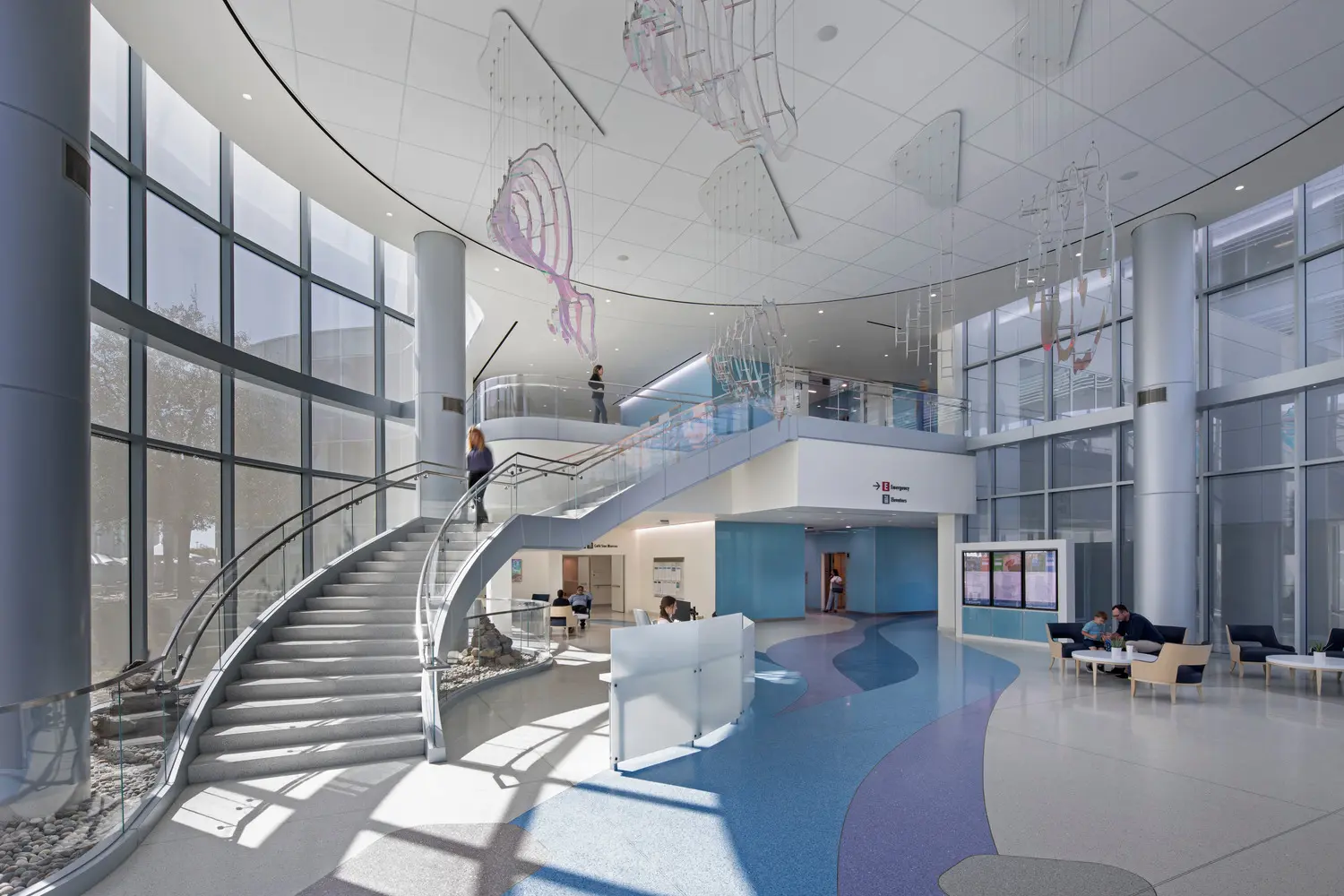
Expert insights on hospital architecture, clinic planning, healthcare design trends, sustainability strategies and modern architectural innovation.
Hospital architecture directly impacts patient recovery, staff efficiency, and infection control. Evidence-based design principles help create healing environments through proper circulation planning, daylight access, acoustic comfort and optimized spatial layouts.
Read Article →A well-designed clinic improves workflow efficiency while enhancing patient comfort and trust. From reception design to consultation room ergonomics, architectural planning plays a critical role in patient flow and operational efficiency.
Read Article →Hospitals operate 24/7 and consume large amounts of energy. Sustainable healthcare architecture integrates passive cooling, solar analysis, daylight optimization and energy-efficient systems to reduce operational costs.
Read Article →Planning a hospital requires coordination between medical workflow, patient circulation, sterile zones, emergency pathways and technical infrastructure like HVAC, MEP and medical gas systems.
Read Article →The future of healthcare design focuses on modular hospital infrastructure, flexible spaces, telemedicine integration and patient-centric healing environments supported by data-driven architecture.
Read Article →Evidence-based design uses scientific research to guide architectural decisions that improve clinical outcomes, reduce medical errors and increase healthcare staff productivity.
Read Article →Consult Soul Architects for hospital architecture, clinic design, healthcare campus planning and sustainable building strategies.
Book Consultation